10 Best Flutes 2026 in the United States
Winner
Yamaha YFL-362H Intermediate Flute
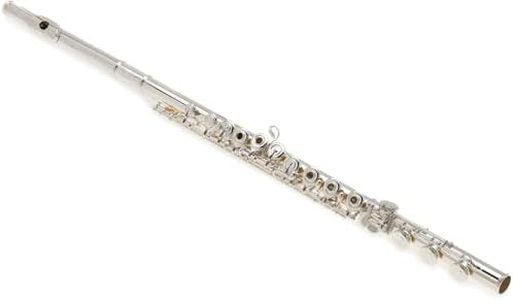
The Yamaha YFL-362H Intermediate Flute is designed for musicians progressing from beginner to intermediate levels. This flute features a nickel silver body and footjoint, providing durability and a bright tone. One of its standout features is the sterling silver headjoint and lip plate, which contribute to a richer sound quality and better projection, making it suitable for concert settings.
Most important from
12 reviews
Pearl Flutes 665RBE1RB Quantz Series Intermediate Flute
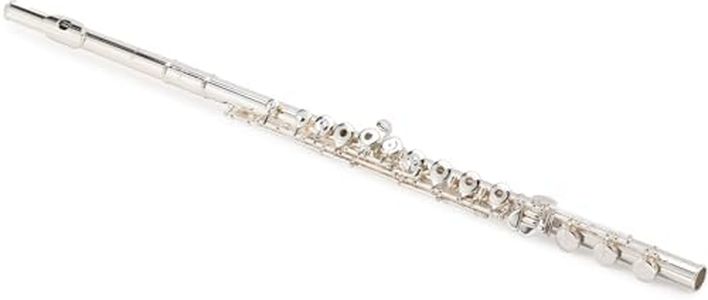
The Pearl Flutes 665RBE1RB Quantz Series Intermediate Flute is a solid choice for intermediate players. This flute stands out with its Offset G key, making it more comfortable for players with smaller hands. Additionally, it features an open hole design which can help improve finger positioning and intonation, although it might require a bit of an adjustment period for those used to closed holes. The B-Footjoint extends the lower range, allowing for more versatility in the pieces that can be played, which is a nice feature for advancing musicians.
Pearl PFP 105E Grenaditte Piccolo with High Wave Grenaditte Headjoint, Pinless Mechanism, Pointed Key Arms, Case and Padded Case Cover

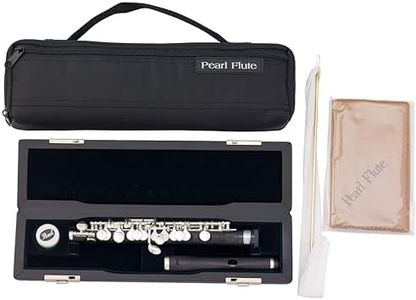
The Pearl PFP105E Piccolo Flute is a well-built instrument made primarily from Pearl's special grenaditte material, known for being lightweight and durable. This makes it easier to handle, especially for younger or less experienced players who might find heavier piccolos tiring. It features a Grenaditte High Wave headjoint, which helps produce a clear, focused sound, an important aspect for piccolo players aiming for bright and projecting tones.
Most important from
48 reviews
Top 10 Best Flutes 2026 in the United States
Winner
Yamaha YFL-362H Intermediate Flute
Yamaha YFL-362H Intermediate Flute
Chosen by 1138 this week
Pearl Flutes 665RBE1RB Quantz Series Intermediate Flute
Pearl Flutes 665RBE1RB Quantz Series Intermediate Flute
Pearl PFP 105E Grenaditte Piccolo with High Wave Grenaditte Headjoint, Pinless Mechanism, Pointed Key Arms, Case and Padded Case Cover

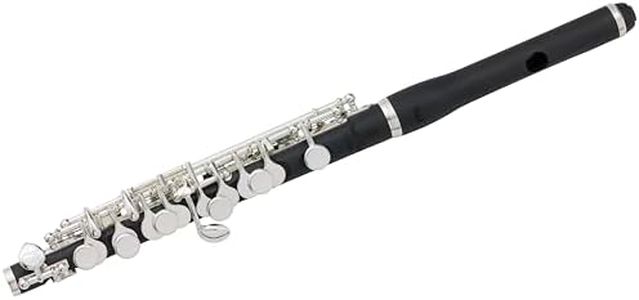
Pearl PFP 105E Grenaditte Piccolo with High Wave Grenaditte Headjoint, Pinless Mechanism, Pointed Key Arms, Case and Padded Case Cover
Yamaha YFL-382H Intermediate Flute with Inline G and Gold-plated Lip Plate
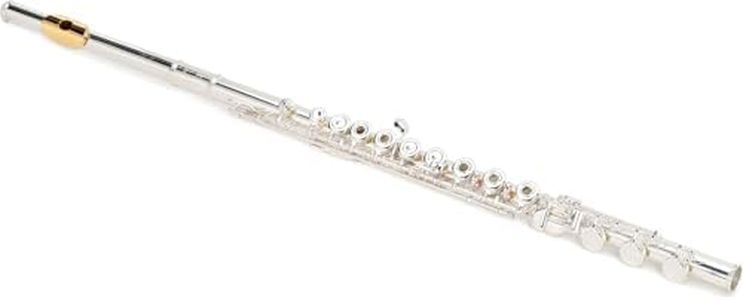
Yamaha YFL-382H Intermediate Flute with Inline G and Gold-plated Lip Plate
Wm. S Haynes Amadeus AF780SE Professional Flute Sterling Silver Headjoint, Body and Footjoint, Split E
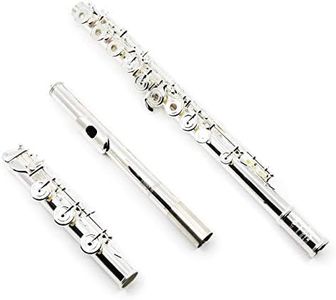
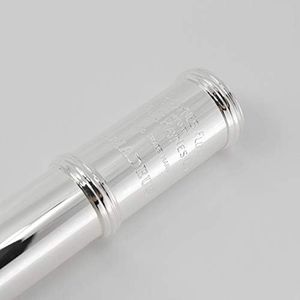
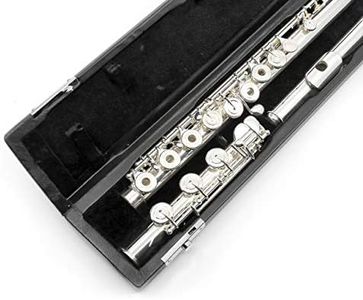
Wm. S Haynes Amadeus AF780SE Professional Flute Sterling Silver Headjoint, Body and Footjoint, Split E
Related Products
Up to 25% off
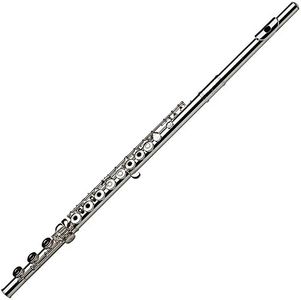
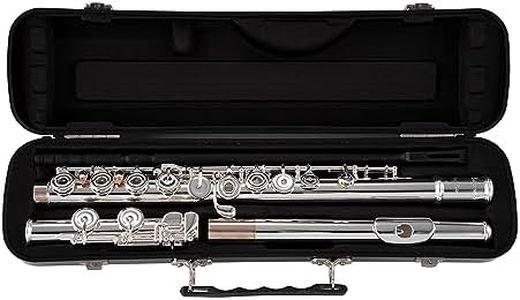
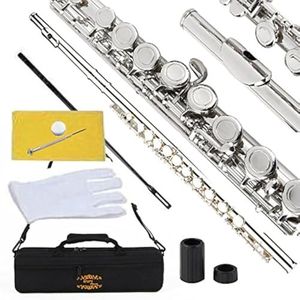

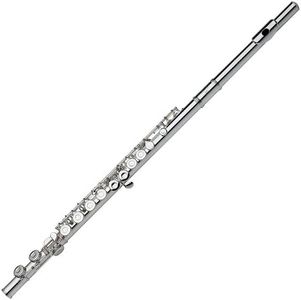
Yamaha YFL-462H Intermediate Flute with Gold Lip Plate
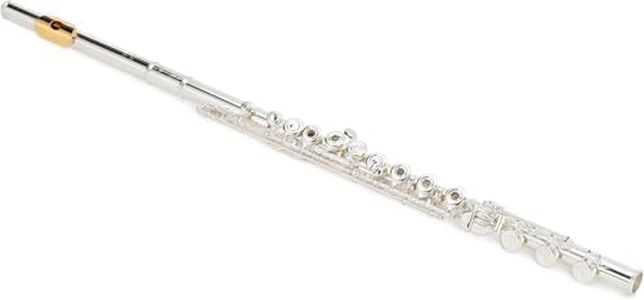
Yamaha YFL-462H Intermediate Flute with Gold Lip Plate
Pearl 765RBE1RB Quantz Series Flute
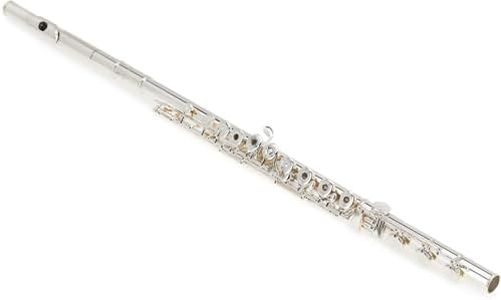
Pearl 765RBE1RB Quantz Series Flute
Yamaha YFL-222 Intermediate Flute for Student (International Version)
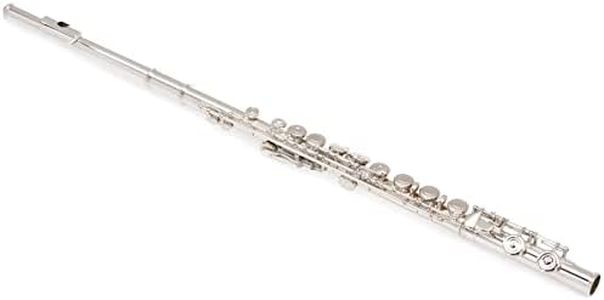

Yamaha YFL-222 Intermediate Flute for Student (International Version)
Trevor James Chanson Flute, Offset G, Split E
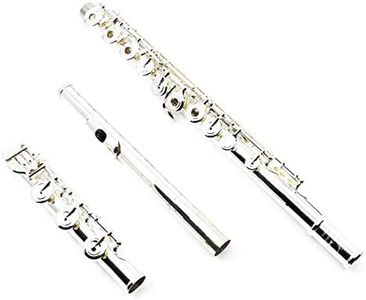
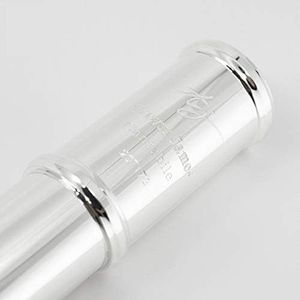
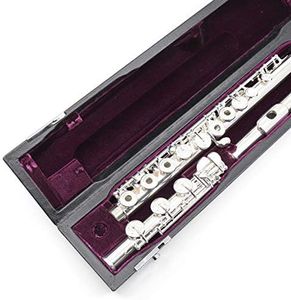
Trevor James Chanson Flute, Offset G, Split E
Yamaha YFL-322 Intermediate Flute


Yamaha YFL-322 Intermediate Flute
Our technology thoroughly searches through the online shopping world, reviewing hundreds of sites. We then process and analyze this information, updating in real-time to bring you the latest top-rated products. This way, you always get the best and most current options available.
