We Use CookiesWe use cookies to enhance the security, performance, functionality and for analytical and promotional activities. By continuing to browse this site you are agreeing to our privacy policy

10 Best Flutes For Beginners 2026 in the United States

#1

Winner

10.0 score

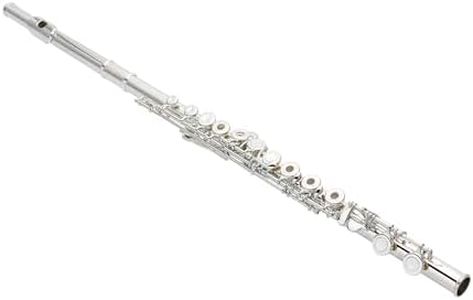
Yamaha YFL-222 Intermediate Flute for Student (International Version)
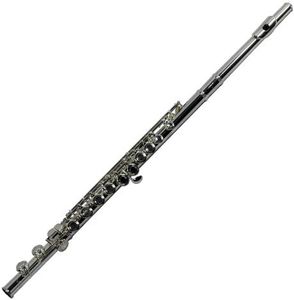
The Yamaha YFL-222 Intermediate Flute is a solid choice for beginner musicians looking to develop their skills. It features a nickel silver body, which is durable and produces a warm tone, making it suitable for students. The flute's silver-plated keys offer smooth action, enhancing playability and comfort during practice sessions. One notable feature is the Offset G key system, designed to improve ergonomics for younger or smaller players, allowing for more natural hand positioning. This can make a significant difference in comfort, especially for beginners still getting used to the instrument.

#2
8.2 score

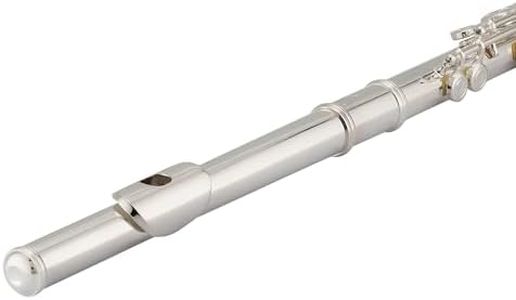
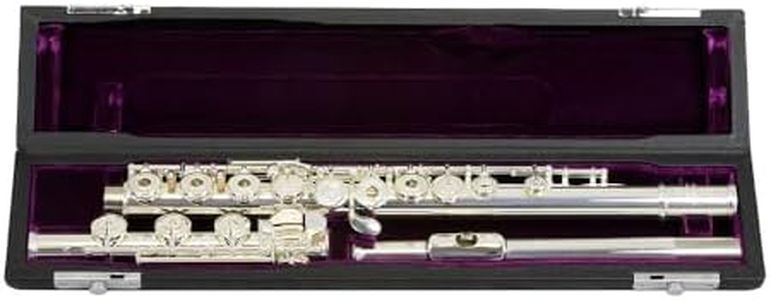
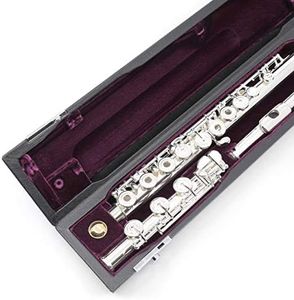
Jean Paul FL-430 Intermediate Concert Open-Hole Flute - Silver-Plated
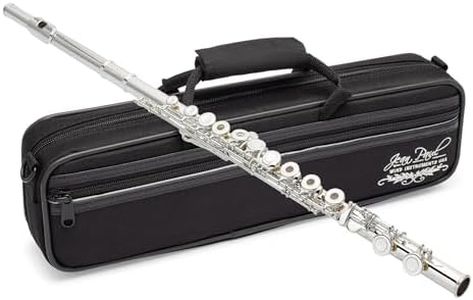
The Jean Paul FL-430 Intermediate Concert Flute is a silver-plated instrument designed with beginners and advancing players in mind. Its silver-plated body offers durability and a bright tone, making it a solid choice for students. The flute features an open-hole design, which provides better tonal control and flexibility; it also comes with removable plugs, so beginners can start with covered holes and gradually use open holes as they improve. The offset G key helps with more comfortable hand positioning, reducing strain during longer practice sessions. Another helpful feature is the split E mechanism, which simplifies playing higher notes, a common challenge for new flutists.

Rating
8.2
Material
Key Mechanism
Offset G Key

Most important from
608 reviews

Material
The silver-plated finish combines durability with an elegant look, making it both a reliable and visually appealing instrument.
Key Mechanism
The flute’s design balances beginner-friendly features with elements like open-hole keys and split E mechanism that facilitate skill progression.
Offset G Key
Comfort is enhanced by features like the offset G key, which reduces hand strain during longer practice sessions.
#3
7.9 score

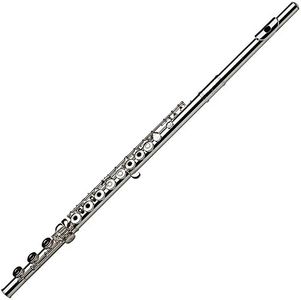
Pearl 505RBE1RB Quantz Series Flute

The Pearl 505RBE1RB Quantz Series Flute is a solid choice for beginners eager to start their musical journey. One of its standout features is the B-foot joint, which provides greater range and flexibility for advancing players, making it a versatile option should you wish to continue improving. The flute is made of quality materials, ensuring a good sound and durability, which is crucial for new players who may be handling the instrument frequently.

Rating
7.9
Material
Key Mechanism
C Foot vs. B Foot

Most important from
17 reviews

Material
Despite being silver-plated rather than fully silver, it produces wonderful sounds when played by a skilled flautist.
Key Mechanism
The included hole covers can be removed when the musician is ready to transition to open holes, adding to the flute's versatility.
C Foot vs. B Foot
The B-foot joint and open holes enhance the flute's capabilities, allowing for a greater range and better sound quality.

Top 10 Best Flutes For Beginners 2026 in the United States
#1

Winner

10.0  score

Yamaha YFL-222 Intermediate Flute for Student (International Version)
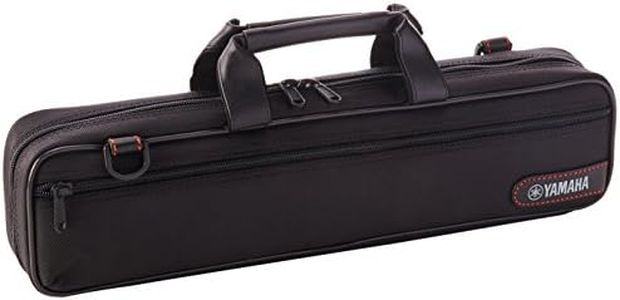
Material: Nickel, Silver
Key Mechanism: Silver-plated keys
Offset G Key: Yes
C Foot vs. B Foot: C foot

Chosen by 1453 this week

Jean Paul USA Silver Plated Flute (FL-220)
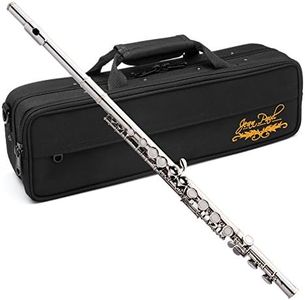
Material: Silver-Plated
Key Mechanism: Split E mechanism
Offset G Key: Yes
C Foot vs. B Foot: C Foot

Pearl Flute PF200 Belsona Student 200 Series C-Flute w/ABS Case
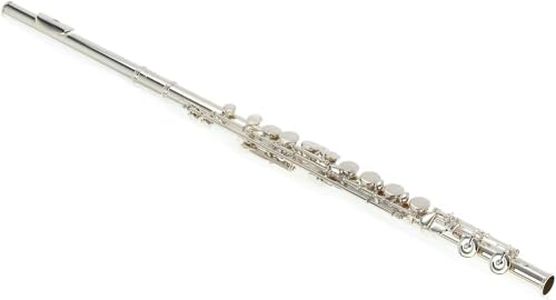
Material: Silverplate
Headjoint: Silverplated
Key Mechanism: Durable, low maintenance
Offset G Key: Yes
C Foot vs. B Foot: C-foot

Jupiter JFL710A Student C Flute

Material: Nickel, Silver
Headjoint: silver-plated nickel silver
Key Mechanism: plateau keys
Offset G Key: Yes
C Foot vs. B Foot: C foot

Trevor James Privilege Flute, Offset G
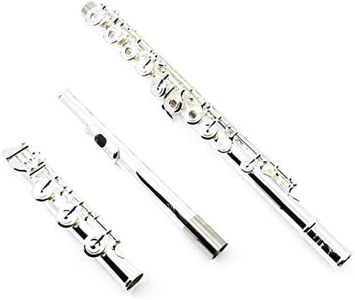
Material: Silver
Headjoint: Silver-plated
Key Mechanism: Silver-plated
Offset G Key: Yes
C Foot vs. B Foot: B footjoint

Gemeinhardt 1SP Student Flute

Material: Silver Plated
Headjoint: Nickel silver
Key Mechanism: Plateau keys
Offset G Key: Yes
C Foot vs. B Foot: C
How do we rank products for you?

Our technology thoroughly searches through the online shopping world, reviewing hundreds of sites. We then process and analyze this information, updating in real-time to bring you the latest top-rated products. This way, you always get the best and most current options available.

headphones-stars

Buying Guide for the Best Flutes For Beginners

Choosing the right flute for a beginner can be a rewarding experience, as the right instrument can greatly enhance the learning process and enjoyment of playing. When selecting a flute, it's important to consider several key specifications that will impact the playability, sound quality, and overall experience for a new player. Understanding these specifications will help you make an informed decision and find the best fit for your needs.
MaterialFlutes are typically made from materials such as nickel, silver, or a combination of both. The material affects the sound quality and durability of the instrument. Nickel flutes are more affordable and durable, making them a good choice for beginners who may be prone to accidental drops. Silver flutes, on the other hand, produce a richer and warmer tone but are more expensive and require more care. For beginners, a nickel or silver-plated flute is often recommended as it balances cost, durability, and sound quality.
HeadjointThe headjoint is the part of the flute where the player blows air to produce sound. It significantly influences the ease of play and the quality of sound. There are different types of headjoints, such as curved and straight. Curved headjoints are beneficial for younger players or those with shorter arms, as they make the flute easier to hold and play. Straight headjoints are more common and suitable for most beginners. Choosing the right headjoint depends on the player's comfort and physical characteristics.
Key MechanismThe key mechanism refers to the arrangement and type of keys on the flute. Closed-hole (plateau) keys are recommended for beginners because they are easier to play and do not require precise finger placement. Open-hole (French) keys are typically used by more advanced players as they allow for greater control over the sound and technique. For a beginner, a flute with closed-hole keys is usually the best choice as it simplifies the learning process.
Offset G KeyThe G key on a flute can be either inline or offset. An offset G key is positioned slightly to the side, making it easier for players with smaller hands to reach and play comfortably. An inline G key is aligned with the other keys and is more common in professional flutes. For beginners, especially those with smaller hands, an offset G key is generally recommended as it enhances comfort and playability.
C Foot vs. B FootThe footjoint of a flute can either be a C foot or a B foot. A C footjoint is shorter and allows the flute to play down to a low C note, while a B footjoint is longer and extends the range to a low B note. For beginners, a C footjoint is typically sufficient and makes the flute lighter and easier to handle. A B footjoint is more common in advanced flutes and is not necessary for a beginner.

FAQ