10 Best Japanese Knives 2026 in the United States
Winner
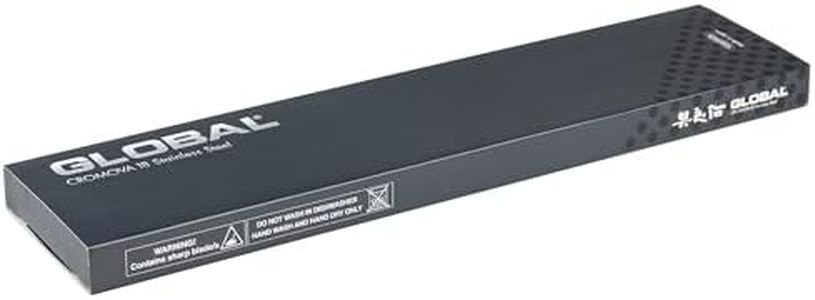
Global 8-Inch Chef's Knife – Lightweight Japanese Stainless Steel, Razor-Sharp Edge, Made in Japan, G-2

The Global 8" Chef's Knife is a popular choice for both home cooks and professionals who want a reliable and sharp kitchen tool. Its 8-inch blade made from a high-tech molybdenum/vanadium stainless steel offers excellent sharpness that lasts longer than many other knives. The blade has a plain edge, which is versatile for most chopping and slicing tasks. Weighing only about 7.8 ounces, this knife feels lightweight and well-balanced, making it comfortable to handle for extended cooking sessions.
Most important from
3113 reviews
HOSHANHO 7 Inch Nakiri Knife, Japanese High Carbon Stainless Steel Chef Knife, Multipurpose Meat Vegetable Sharp Kitchen Knife with Ergonomic Pakkawood Handle
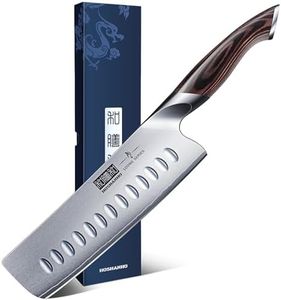
The HOSHANHO 7 Inch Nakiri Knife is a solid choice for anyone looking for a versatile Japanese-style kitchen knife, especially for chopping vegetables but also capable of handling meat and fruit. Its blade is made from high carbon stainless steel, giving it good hardness (60 HRC) and the ability to hold a sharp edge well. The 15-degree edge angle is typical for Japanese knives, meaning it’s sharper than most Western knives, allowing precise, smooth cuts with less effort. At 7 inches, the blade length strikes a nice balance—not too long for control but enough to handle bigger veggies.
Most important from
1420 reviews
MITSUMOTO SAKARI Japanese Chef's Knife Set 4 Pcs, Professional Hand Forged Kitchen Chef Knife Set, High Carbon Ultra Sharp Cooking Chefs Knife Set (Rosewood Handle & Sandalwood Box)
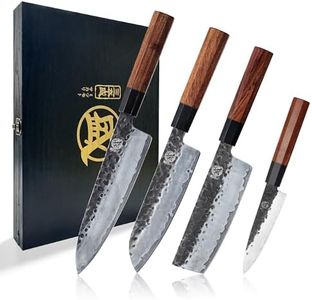
The MITSUMOTO SAKARI Japanese Chef's Knife Set offers a carefully handcrafted experience with its traditional Japanese forging method, which is a real plus for those who appreciate quality craftsmanship. The blades are made from high-carbon 9CR18MOV steel with a hardness rating around 58 HRC, meaning they should be sharp and durable, holding their edge well during regular kitchen tasks. The 8-inch blade length is versatile, handling everything from slicing vegetables to cutting meat comfortably. The ultra-thin 2.5mm blade allows for precise cuts, helping maintain the freshness and texture of food.
Most important from
199 reviews
Top 10 Best Japanese Knives 2026 in the United States
Winner
Global 8-Inch Chef's Knife – Lightweight Japanese Stainless Steel, Razor-Sharp Edge, Made in Japan, G-2
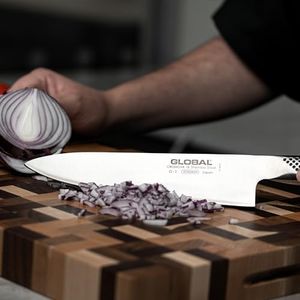
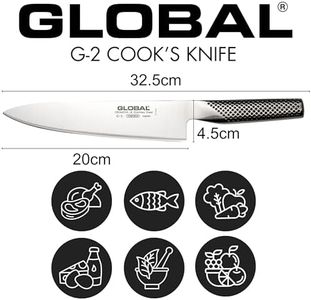

Global 8-Inch Chef's Knife – Lightweight Japanese Stainless Steel, Razor-Sharp Edge, Made in Japan, G-2
Chosen by 1284 this week
HOSHANHO 7 Inch Nakiri Knife, Japanese High Carbon Stainless Steel Chef Knife, Multipurpose Meat Vegetable Sharp Kitchen Knife with Ergonomic Pakkawood Handle
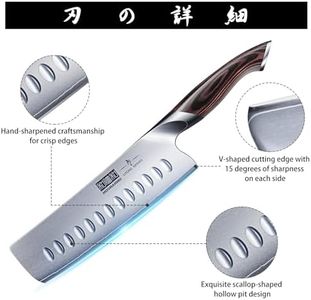
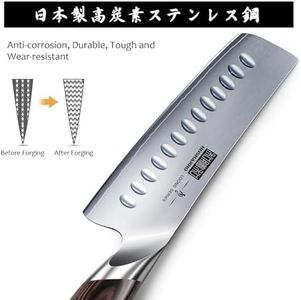
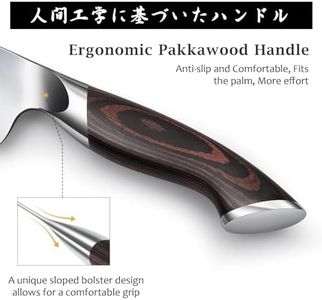
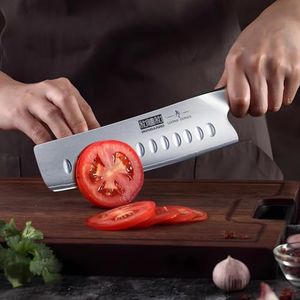
HOSHANHO 7 Inch Nakiri Knife, Japanese High Carbon Stainless Steel Chef Knife, Multipurpose Meat Vegetable Sharp Kitchen Knife with Ergonomic Pakkawood Handle
MITSUMOTO SAKARI Japanese Chef's Knife Set 4 Pcs, Professional Hand Forged Kitchen Chef Knife Set, High Carbon Ultra Sharp Cooking Chefs Knife Set (Rosewood Handle & Sandalwood Box)


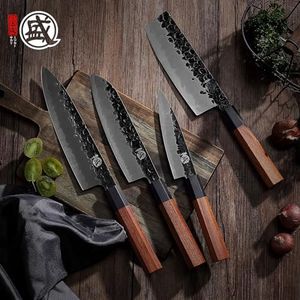
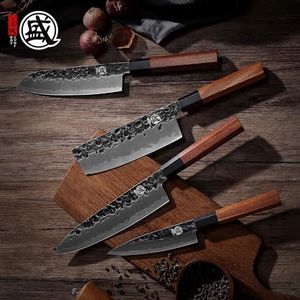
MITSUMOTO SAKARI Japanese Chef's Knife Set 4 Pcs, Professional Hand Forged Kitchen Chef Knife Set, High Carbon Ultra Sharp Cooking Chefs Knife Set (Rosewood Handle & Sandalwood Box)
imarku Japanese Chef Knife - Sharp Kitchen Knife 8 Inch Chef's Knives HC Steel Paring Knife, Gifts for Men and Women, Christmas Gifts for Mom or Dad, Kitchen Gadgets with Gift Box, Gyutou Knives
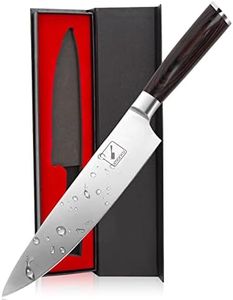


imarku Japanese Chef Knife - Sharp Kitchen Knife 8 Inch Chef's Knives HC Steel Paring Knife, Gifts for Men and Women, Christmas Gifts for Mom or Dad, Kitchen Gadgets with Gift Box, Gyutou Knives
Global 7-piece Ikasu Knife Block Set
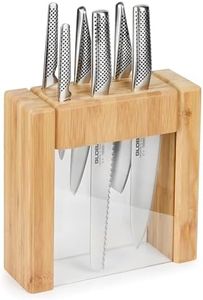
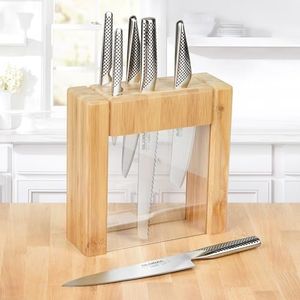
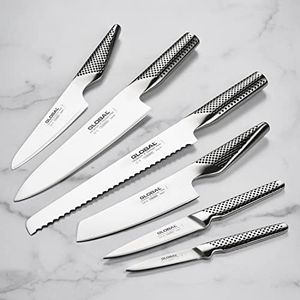
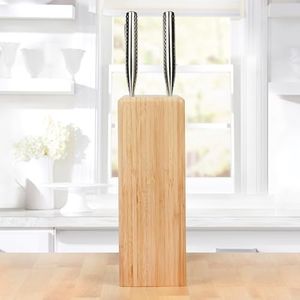
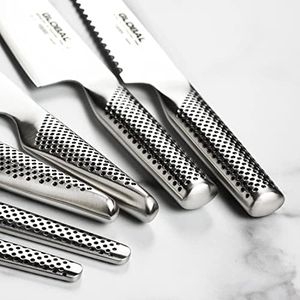
Global 7-piece Ikasu Knife Block Set
Related Products
Up to 13% off
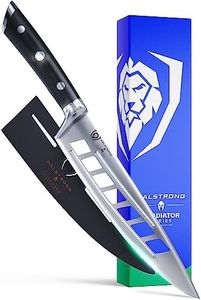
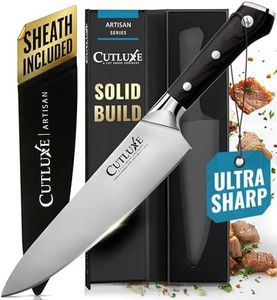
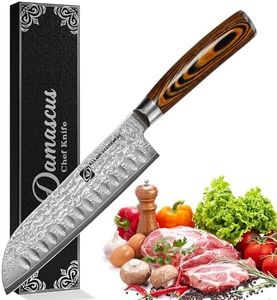
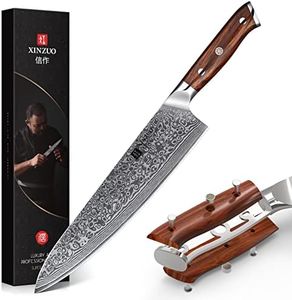
Miyabi Birchwood SG2 Japanese Nakiri Knife, 6.5-inch, Vegatable Kitchen Knife, Karelian Birch Handle, 100-layer flower Damascus pattern, Handcrafted in Seki, Japan

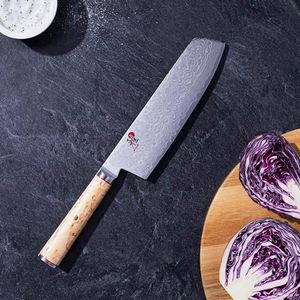
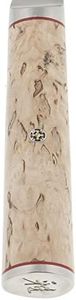
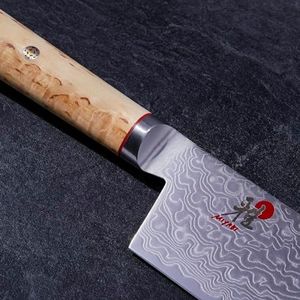
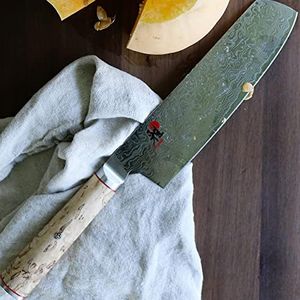
Miyabi Birchwood SG2 Japanese Nakiri Knife, 6.5-inch, Vegatable Kitchen Knife, Karelian Birch Handle, 100-layer flower Damascus pattern, Handcrafted in Seki, Japan
Miyabi Birchwood SG2 Japanese Chef's Knife, 8-inch, Chef's Kitchen Knife, Karelian Birch Handle, 100-layer flower Damascus pattern, Handcrafted in Seki, Japan

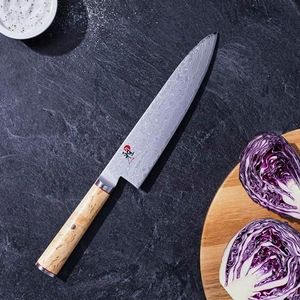
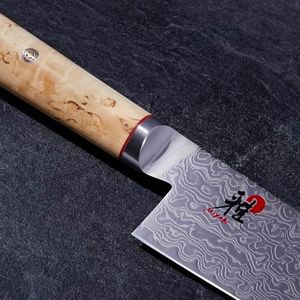

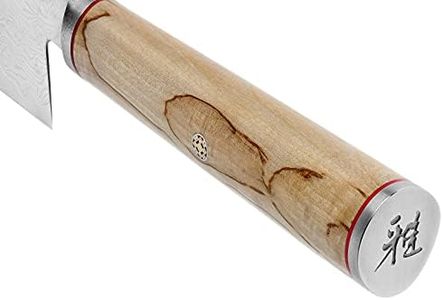
Miyabi Birchwood SG2 Japanese Chef's Knife, 8-inch, Chef's Kitchen Knife, Karelian Birch Handle, 100-layer flower Damascus pattern, Handcrafted in Seki, Japan
Miyabi Birchwood GS2 7-pc Knife Block Set
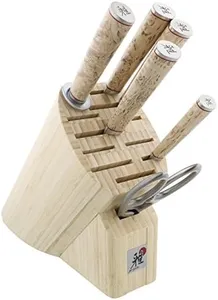
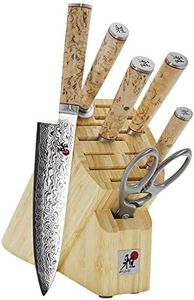



Miyabi Birchwood GS2 7-pc Knife Block Set
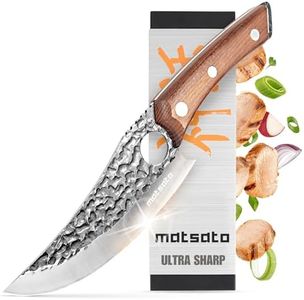
Matsato Chef Knife - Perfect Kitchen Knive for Cooking, Chopping. Japanese Steel Knife for Home, BBQ. For Balance & Control, 6.3 Inch



Matsato Chef Knife - Perfect Kitchen Knive for Cooking, Chopping. Japanese Steel Knife for Home, BBQ. For Balance & Control, 6.3 Inch
Global Osaka 6 Piece Knife Block Set
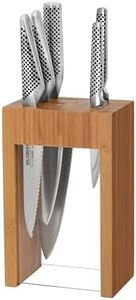




Global Osaka 6 Piece Knife Block Set
Recommended lists


Our technology thoroughly searches through the online shopping world, reviewing hundreds of sites. We then process and analyze this information, updating in real-time to bring you the latest top-rated products. This way, you always get the best and most current options available.
